What’s next for communications to protect and improve lives?
If communications is to protect and improve lives in the years ahead, it needs to become less extractive, more accountable and much more transparent about who holds the power.
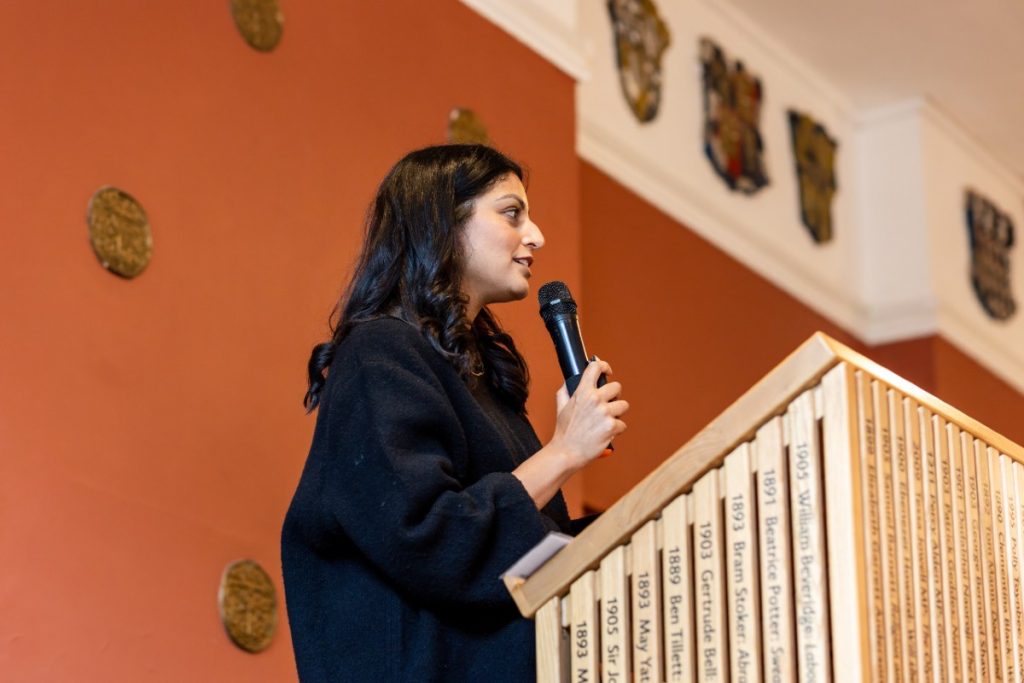
Minnie Rahman’s speech at Forster’s 30th anniversary celebration made it clear that not only must people with lived experience be included more often, they also need to be at the centre of communications because only they can provide the truth, nuance and urgency that’s needed to deliver change.
Unflinching about how uncomfortable and unpalatable many find the homelessness and destitution of migrants and refugees, she said: “We often struggle to communicate the reality of their experience to a wide audience, and when we do manage to achieve any amount of advocacy, even if it only reaches a small audience, it feels like a humongous win, especially for small charities like mine. That has led me to reflect on the role of public facing advocacy and what this means for individuals and for community empowerment, even when it doesn’t result in a kind of immediate systemic change.
I’ve worked on campaigns like the Windrush campaign, where media actually played a central role in driving awareness and driving change, but I’ve also seen advocacy operate on a much more personal level, where it creates space for someone to share their story, to feel heard, and to build confidence in their own voice. And that really, really matters, because telling your story as someone who is marginalised is not a simple thing”.
For too long, the communications model in campaigning, charity and media has relied on turning personal testimony into a tool: a case study for the press release, a quote for the report, a face for the campaign. Minnie reminded everyone that done well advocacy “takes time, it takes care, it takes patience”.
Choice is key. A genuine right for people to decide not just what they want to say, but what they do not want to share. In a harsher political climate, where migrant communities and other marginalised groups face hostility for speaking out, it means recognising that the most responsible communications choice may be to say no to an interview or a comment that creates more risk than change.
At the same time, Minnie also warned against a quieter danger: the creeping disappearance of authentic voices. If fewer people are telling their own stories directly, and more commentators are speaking on their behalf, communications risks becoming safer for institutions but less truthful for audiences.
She said: “Advocacy at its core is about shifting power and making sure that those who are most affected are not spoken over but listened to.” What’s needed is not simply more storytelling, but better structures around storytelling that allows people to speak safely.
The future of communications needs to go beyond measurement of reach, headlines and clicks to view whether people feel heard without being harmed, how stories create dignity as well as attention, and if campaigns shift power to those most affected.
Minnie finished with a plea for progress: “If we want to build stronger, more inclusive communities, then we need to create [a safe] space. We need to make sure voices are not pushed down…we need to genuinely listen. I believe that that’s how change happens, not just through policies or systems, but through people being seen and heard and valued. It’s the only way we will move forward, and that progressive voices will win.”
____________________
Minnie Rahmen is CEO of Praxis, for refugees and migrants, which works for and with individuals and communities who are marginalised because of their immigration status. In addition to direct services, it helps to build the capacity of other UK service providers and campaigns for change.
Photo by Sarah Tulej