Between October and December 2025, Practical Action — under the Youth Engagement in Early Warning Systems project supported by Forster Communications — brought together 125 young people from Bangladesh’s most climate-exposed communities for a residential training programme designed to turn knowledge into action.
Why Youth? Why Now?
Cyclones, floods, salinity intrusion, riverbank erosion, and erratic rainfall are not abstract statistics in Bangladesh — they are lived realities that reshape livelihoods season after season. Young people in coastal, haor, and hill-adjacent areas feel these disruptions most acutely, yet they also hold the energy, creativity, and community embeddedness to lead locally grounded responses. Recognising this, Practical Action designed a structured, residential programme to equip youth not just with knowledge, but with the skills and confidence to act as Local Resilience Agents within their own communities.
A Programme Built on Participation
The two-day residential training covered climate change fundamentals, disaster risk reduction (DRR) and anticipatory action, climate-smart agriculture (CSA), community-based early warning systems (CBEWS), and hands-on use of the Disaster Alert for BD mobile application. Rather than passive instruction, the programme drew on participatory methods — simulation games, group hazard mapping, impact chain analysis, and structured debates — to keep learning grounded in local reality.
A highlight of each session was the UNDRR Stop Disasters Game, in which participants worked in teams to allocate limited budgets against simulated imminent hazards. The exercise sharpened strategic thinking and surfaced the difficult trade-offs communities face when resources are scarce and timelines are short. By Day 2, participants were developing their own community action plans — outlining early warning pathways, preparedness measures, and climate-resilient interventions tailored to their home districts.
Five Districts, Five Contexts
The programme was deliberately multi-sited, acknowledging that climate vulnerability in Bangladesh is not monolithic. Selected from 866 nationwide applications — with priority given to candidates from highly exposed areas with relevant academic and community experience — 125 participants gathered across five residential sessions:
Khulna (12–13 October):
25 participants from coastal and flood-exposed districts focused on cyclone preparedness, salinity-resilient agriculture, and communication systems for remote river islands and embanked communities.
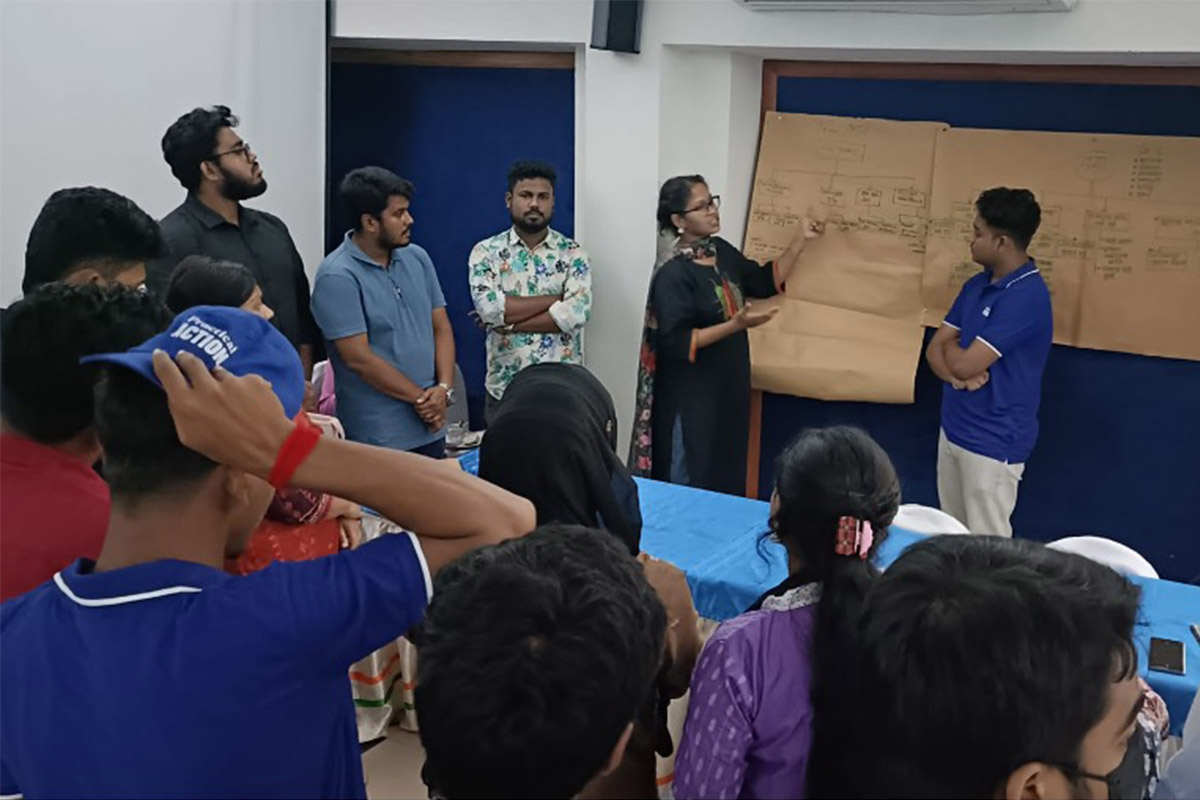
Participants presenting community action plan on EWS
Barishal (3–4 November):
28 participants from riverine and low-lying communities examined riverbank erosion, tidal surges, and the growing unpredictability of tidal behaviour, proposing low-bandwidth radio messaging and community micro-forecasting points.
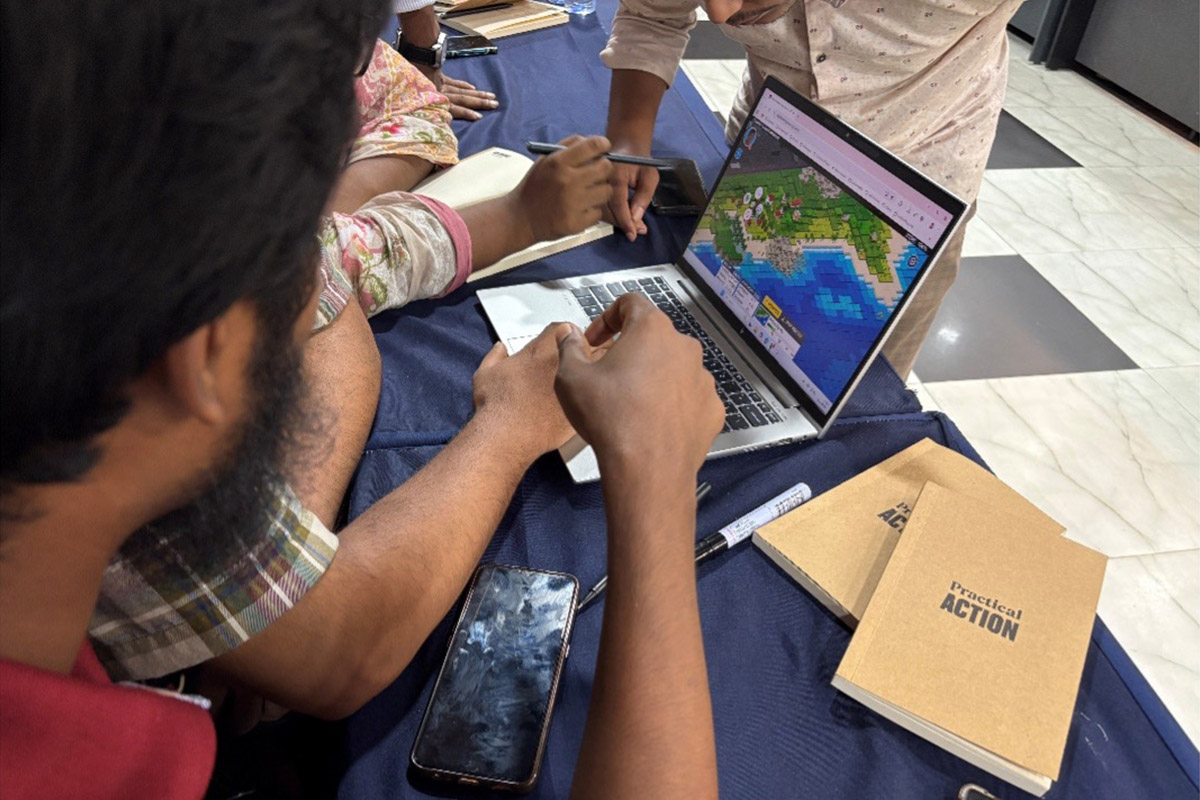
Youths practicing the cyclone simulation
Sylhet (11–12 November):
25 participants from haor and hill-adjacent areas tackled flash floods, landslides, and sedimentation, proposing community-managed WhatsApp alert systems and youth-led rainfall monitoring.
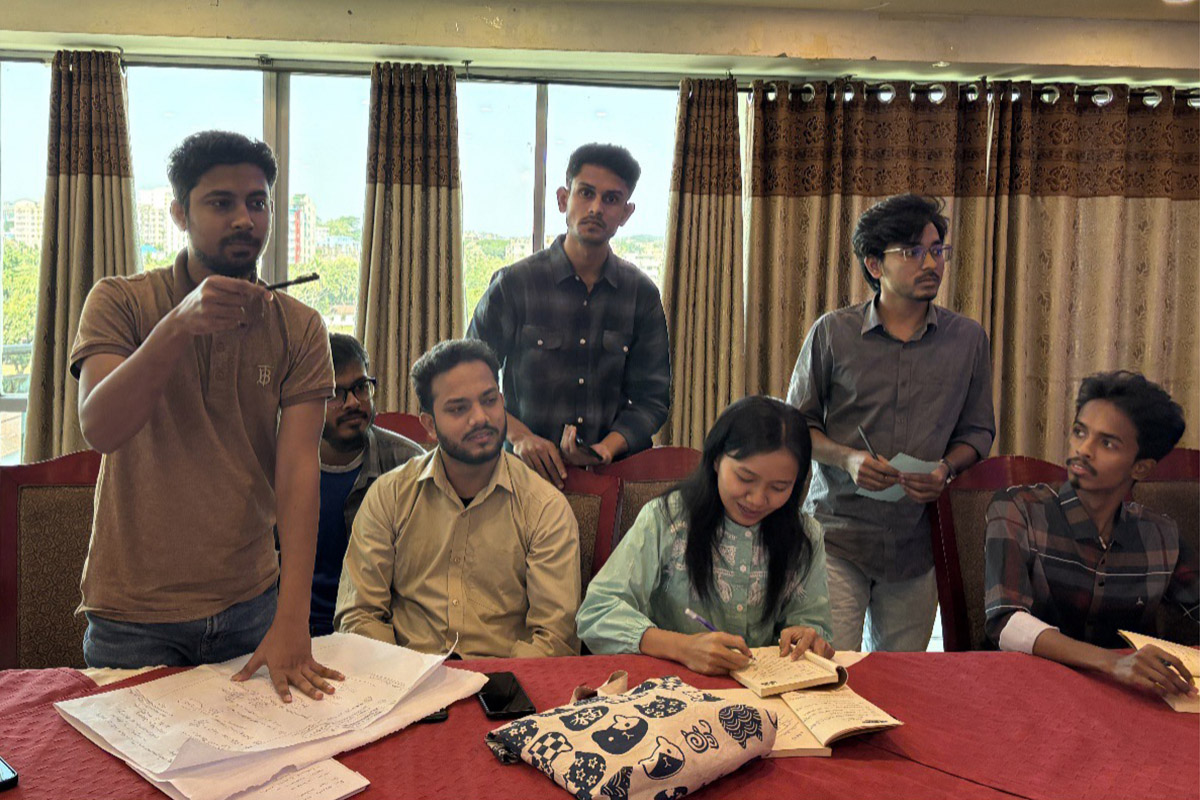
A snippet from the debate session in Sylhet
Cox’s Bazar (1–2 December):
23 participants representing greater Chittagong and the Chittagong Hill Tracts addressed a wide spectrum of coastal and hill hazards, debating digital versus traditional dissemination and proposing voice-based early warnings for households without smartphones.
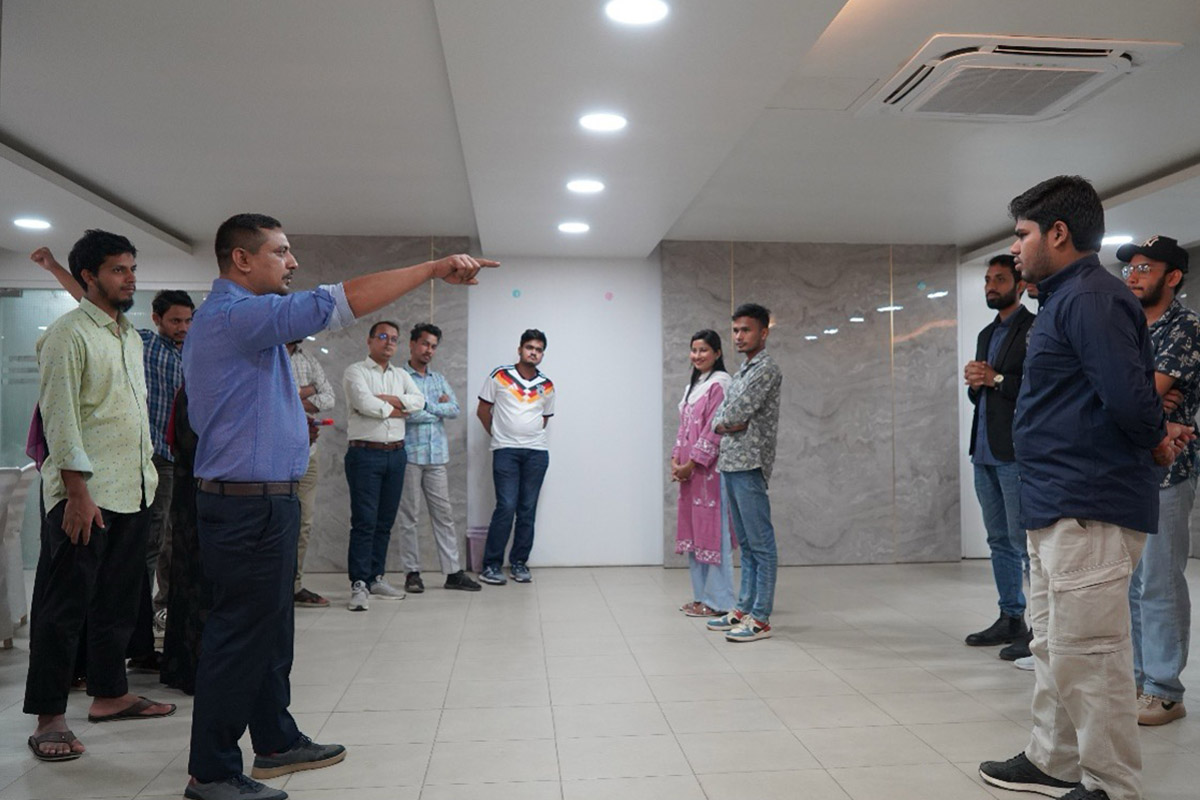
Participants practicing community action plan
Gazipur (29–30 December):
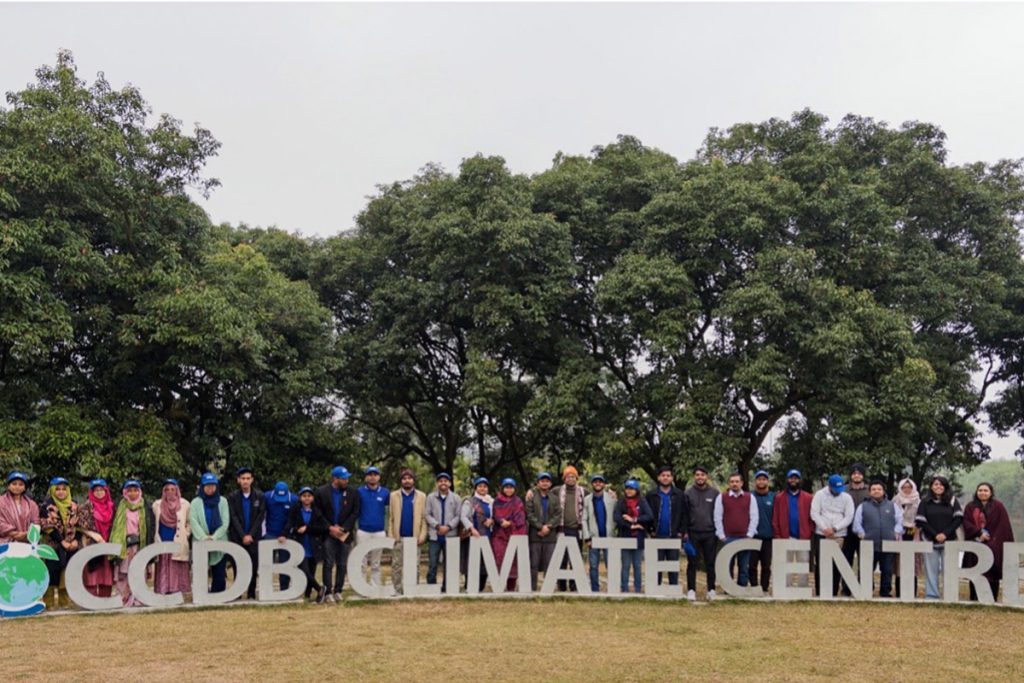
24 participants from Dhaka and Mymensingh Divisions explored urban and peri-urban vulnerability, concluding with an exposure visit to climate-resilient innovations and prototypes at the CCDB Climate Centre.
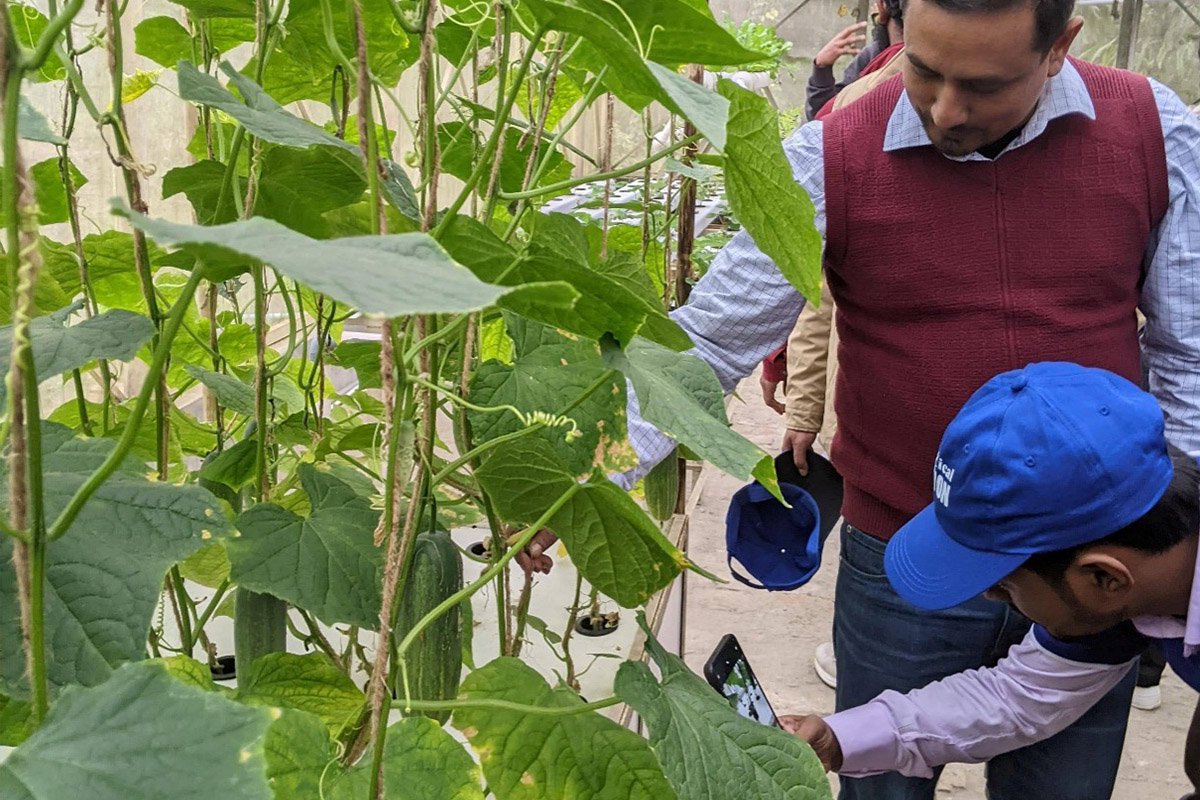
Demonstration of greenhouse vegetation which was part of the training field visit
What Participants Took Away
Across all five locations, participants completed the programme with a more integrated understanding of how climate hazards, disaster risk, early warning systems, and agricultural adaptation connect. They left with community action plans developed and owned by themselves — not imposed from outside — and with practical experience using digital tools for real-time disaster monitoring.
Just as importantly, participants were certified as Local Resilience Agents: a recognition of their readiness to return to their communities as informed advocates and first-responders in the early warning chain. Many surfaced innovations that reflect genuine local ownership — from volunteer-run communication hubs in coastal Khulna to youth-led hill-slope monitoring in Sylhet and Cox’s Bazar.
Building a Cohort, Not Just a Course
The residential format was deliberate. Bringing participants together — away from daily pressures, across districts and climate zones — created space for peer learning, cross-regional exchange, and the kind of confidence-building that happens when young people realise others share their concerns and their ambitions. The cohort that emerged from these five sessions is not simply better informed; it is better connected, and better prepared to lead.
As climate impacts in Bangladesh intensify, programmes that invest in youth as agents rather than recipients of resilience will be essential. This initiative, delivered through the partnership of Practical Action, Forster Communications, and the Climate Resilience Alliance, offers a replicable model for doing exactly that.